September 10, 2026
Strange noises coming from a vehicle can be easy to dismiss, especially when the car still seems to run normally. A faint squeal, occasional clunk, grinding sound, or unfamiliar rattle may not immediately affect how the vehicle drives, but these noises can be early warning signs of developing mechanical problems. Cars contain many moving components that depend on proper lubrication, alignment, pressure, and connection to operate safely and efficiently. When one part begins to wear or fail, unusual sounds are often among the first symptoms. Scheduling auto repair when a new noise appears can help drivers identify the source before a minor concern becomes a more serious issue. Understanding what different sounds may indicate can also help vehicle owners recognize when professional attention is necessary.
Identifying Problems Before They Worsen
Many vehicle problems develop gradually rather than causing an immediate breakdown. A component may begin to loosen, wear unevenly, or lose lubrication long before it fails completely. During that time, the driver may hear sounds that were not present before. Clicking, squeaking, rattling, humming, and knocking can all suggest that something has changed within the vehicle. Paying attention to when the sound occurs can provide useful information. For example, a noise that appears only when accelerating may point to a different problem than one that occurs while braking, steering, or driving over bumps.
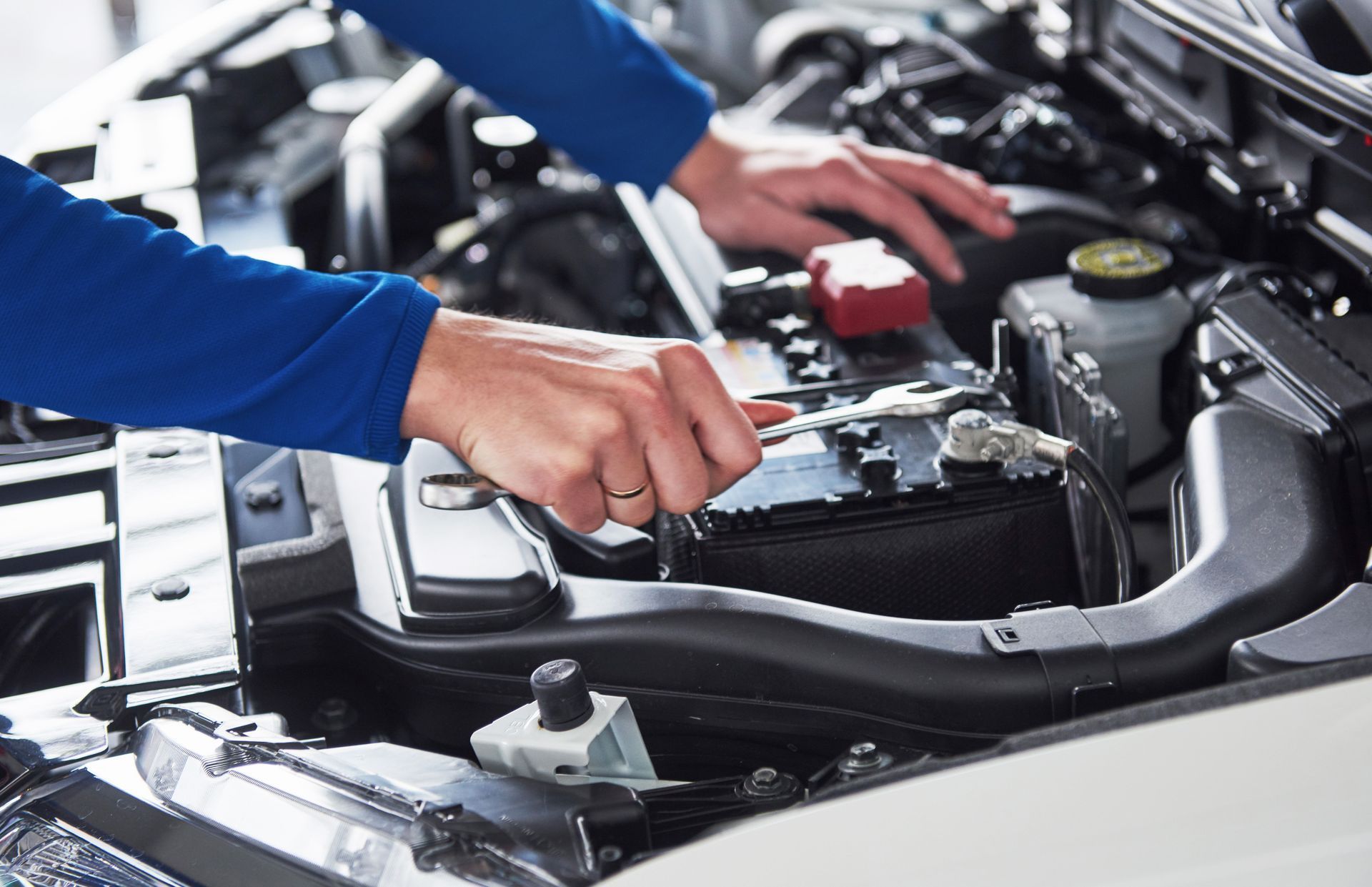
Addressing these symptoms early can make diagnosis easier and may reduce the amount of damage that develops around the original problem. A loose component, for instance, may place additional stress on nearby parts if it continues moving improperly. A worn bearing can also affect other connected components if it is allowed to deteriorate. Professional auto repair gives technicians an opportunity to inspect the vehicle, reproduce the noise, and determine whether maintenance, adjustment, or component replacement is needed. Early attention does not guarantee a simple repair, but it can prevent drivers from unknowingly operating a vehicle with a worsening mechanical issue.
Recognizing Potential Brake Concerns
Brake noises deserve particular attention because the braking system directly affects the driver's ability to slow and stop the vehicle. Squealing can sometimes occur when brake pads are approaching the end of their usable life, while grinding may indicate that friction material has worn significantly. Clicking, scraping, or unusual vibration during braking can also signal problems involving pads, rotors, calipers, or other components. Because different conditions can create similar sounds, drivers should avoid assuming they know the exact cause based only on the noise.
Continuing to drive with a brake-related sound may allow additional components to become damaged. For example, worn brake pads can eventually affect the surface of the rotors, potentially increasing the scope of the work required. Drivers may also notice changes in stopping distance, pedal feel, pulling, or vibration as the problem progresses. Seeking auto repair when unusual braking sounds begin can help determine whether the issue involves normal wear or a more immediate concern. Brake inspections can provide clearer information about component condition and help drivers make timely decisions about necessary service.
Preventing Damage to Engine Components
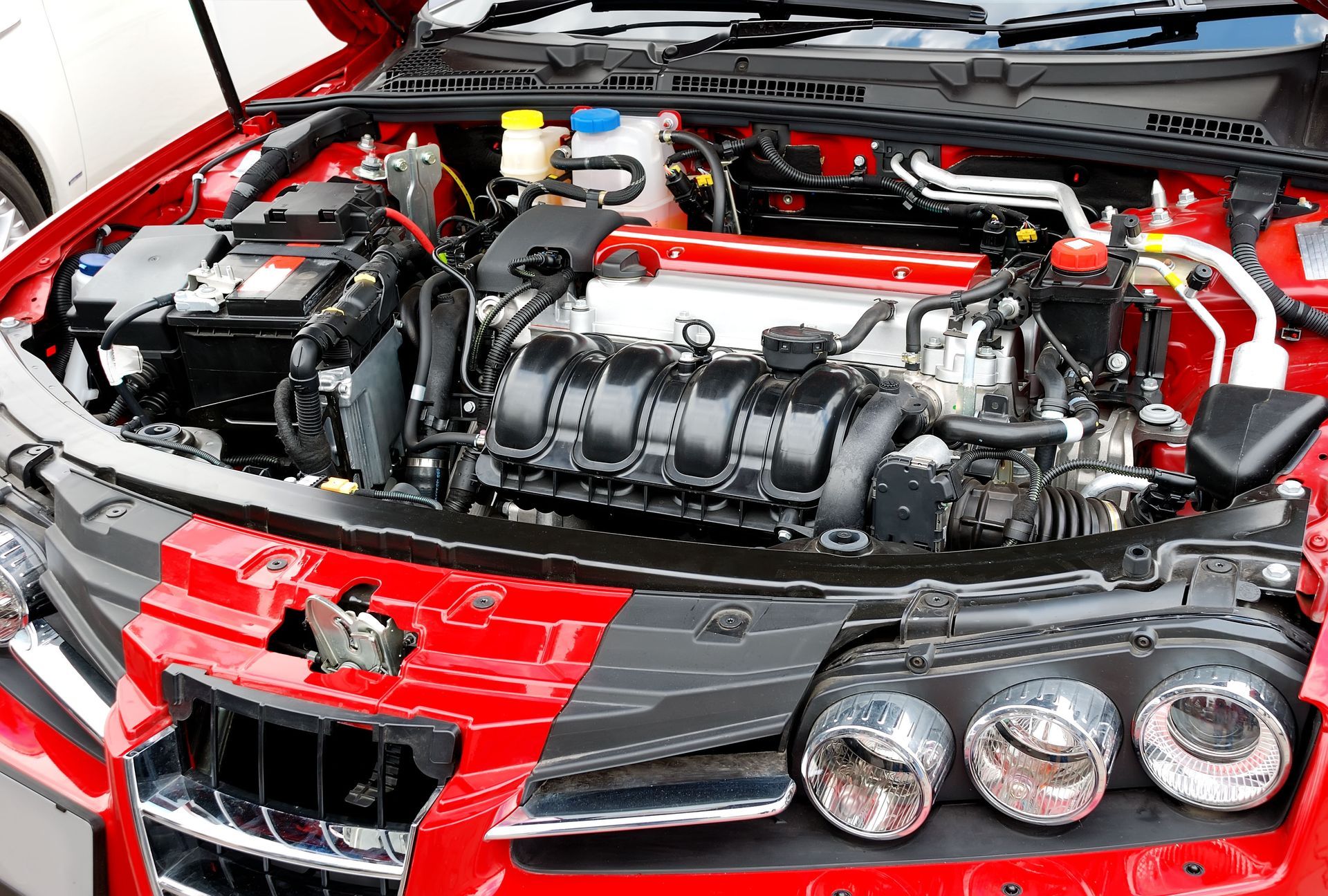
Noises from beneath the hood can come from many different sources, ranging from relatively minor issues to serious engine concerns. Ticking, knocking, tapping, squealing, or rattling may relate to belts, pulleys, fluids, internal engine components, or accessories connected to the engine. Some sounds become more noticeable during startup, acceleration, or idling, which can help technicians narrow down possible causes. Because engines operate with many closely connected systems, ignoring an unfamiliar noise can allow one failing component to interfere with other parts.
Proper fluid levels and lubrication are especially important for reducing friction and heat inside a vehicle. If components are not receiving adequate lubrication, unusual noises may develop as metal parts experience increased wear. Belts and pulleys can also create squealing or chirping noises when they become worn, loose, or misaligned. According to Sharp Sheets, more than 75% of Americans visit an auto repair service at least once annually. Routine service combined with prompt attention to new noises can help drivers identify developing issues while the vehicle is still operating, rather than waiting until a breakdown makes the problem impossible to ignore.
Protecting Steering and Suspension Systems
Clunks, pops, squeaks, or knocking sounds while turning or traveling over uneven roads may be connected to steering or suspension components. These systems help maintain vehicle stability, wheel positioning, ride comfort, and driver control. Bushings, joints, shocks, struts, tie rods, and other parts can wear over time as they absorb movement and road impacts. A vehicle may continue to drive even after wear begins, which can make it tempting to postpone an inspection when the only symptom is an occasional noise.
Suspension and steering issues can become more noticeable as wear progresses. Drivers may begin to experience uneven tire wear, excessive bouncing, loose steering, pulling, vibration, or changes in handling in addition to the original sound. An auto repair inspection can help determine whether a worn or damaged component is affecting the vehicle's stability. Addressing these concerns can also help protect tires and surrounding parts from unnecessary stress. Since noises may travel through the vehicle's frame, the location where a driver hears a sound is not always the exact location of the underlying problem.
Avoiding Unexpected Roadside Breakdowns
One of the biggest risks of ignoring unusual noises is that a vehicle may eventually stop operating properly with little additional warning. A failing pulley, bearing, belt, wheel component, or other mechanical part may continue functioning temporarily even as its condition deteriorates. Drivers who become accustomed to an ongoing noise may stop noticing it until the problem suddenly becomes severe. A breakdown can create inconvenience, towing expenses, missed appointments, and potential safety concerns depending on where and when the vehicle stops.
Prompt auto repair can reduce the chance that a known symptom will develop into an unexpected roadside problem. Technicians can inspect the systems associated with the noise and look for visible wear, looseness, leaks, damage, or other warning signs. Even when the sound turns out to be relatively minor, having it evaluated provides drivers with more information about the condition of their vehicle. Knowing whether a repair is urgent, can be scheduled soon, or simply requires monitoring is more useful than guessing and continuing to drive without understanding the cause.
Knowing When to Seek Professional Service
Drivers do not need to identify the exact mechanical problem before taking a vehicle to a shop. Instead, it can be helpful to pay attention to details about the noise. Noting whether it happens when the engine is cold, while accelerating, during braking, when turning, or at a certain speed can assist the diagnostic process. Drivers can also listen for changes in volume, frequency, or location and mention any related symptoms such as warning lights, unusual smells, vibration, reduced power, or changes in handling.
Some sounds warrant more immediate attention than others, particularly when they are accompanied by changes in braking, steering, engine performance, or vehicle stability. Grinding, loud knocking, repeated clunking, or sudden new noises should not simply be covered up by turning up the radio or waiting for them to disappear. Professional auto repair allows trained technicians to evaluate the sound in the context of the entire vehicle. A proper diagnosis can help owners understand what is happening, what repairs may be necessary, and whether continued driving could create additional problems.
Strange vehicle noises are often a car's way of signaling that something has changed, and ignoring those sounds can allow mechanical problems to become more complicated. Squealing brakes, engine knocking, suspension clunks, steering noises, and persistent rattles can all provide useful clues about the condition of different systems. Paying attention to when and how a noise occurs can make it easier to describe the concern and seek help before a breakdown or additional damage occurs. Timely auto repair can help drivers protect important vehicle components, maintain dependable performance, and make more informed decisions about maintenance and repairs. If your vehicle has started making an unfamiliar sound, contact HIS Auto LLC to have the problem professionally evaluated.