November 11, 2026
A dependable automobile represents freedom, convenience, and daily peace of mind for drivers who rely on transportation for work, family errands, and weekend adventures. Stepping into a vehicle with complete assurance that it will start smoothly and reach every destination without hesitation transforms the entire driving experience. Unfortunately, mechanical neglect can quickly erode this dependability, leading to unexpected roadside breakdowns, costly emergency tow trucks, and frustrating disruptions to busy schedules. Automobiles are complex machines containing countless interconnected mechanical components that experience relentless heat, friction, and environmental wear. Seeking professional auto repair services on a predictable schedule allows trained technicians to identify minor wear before catastrophic mechanical failures develop beneath the hood. Investing time into routine automotive care preserves mechanical stamina, protects financial investments, and ensures the family car remains a trusted companion through every journey.
Protecting Vital Engine Components
Internal combustion engines endure intense thermal cycles, friction, and mechanical stress every time the ignition starts. Routine fluid inspections and regular oil replacements remove abrasive particulate debris and prevent metal surfaces from grinding together. Drivers who rely on certified auto repair services can ensure that proper lubricants matching manufacturer requirements circulate throughout internal pathways. Neglecting these basic maintenance cycles causes excessive heat buildup, breaks down protective oil film, and accelerates premature cylinder degradation. Consistent lubrication protects camshafts, pistons, and valve trains, allowing the automobile to deliver dependable performance on daily commutes and demanding highway journeys.
In addition to lubrication, airflow filtration plays a crucial role in safeguarding internal mechanical efficiency. Air filters capture dirt, dust, pollen, and airborne grit before these contaminants infiltrate the combustion chamber. Over time, clogged filters restrict airflow, forcing the engine to consume excessive fuel and operate under unnecessary strain. Replacing worn filters during standard visits for auto repair services restores ideal oxygen intake, supporting complete fuel combustion and smooth acceleration. This uncomplicated preventative procedure helps preserve delicate sensors, prevents carbon deposits from choking intake valves, and keeps the automobile running with factory precision.
Maintaining Essential Fluid Levels
Automotive fluids serve as the circulatory network that protects critical machinery from friction, heat, and internal corrosion. Beyond motor oil, transmissions require clean hydraulic fluid to shift gears seamlessly without slippage, hesitation, or excessive mechanical resistance. Brake fluid absorbs ambient humidity over time, which lowers boiling thresholds, produces pedal sponginess, and compromises stopping distance during emergency maneuvers. Scheduling comprehensive auto repair services ensures technicians flush out deteriorated fluids and replenish closed systems with fresh chemical mixtures. Diligent fluid management extends the longevity of expensive transmissions, steering racks, and hydraulic master cylinders while preserving total operational reliability.
Differential lubricants and power steering reservoirs also require periodic attention to prevent premature mechanical breakdown. Heavy friction within drive axles generates microscopic metallic particles that circulate through thick gear oils, slowly eroding gear teeth and bearings. Power steering fluids degrade after repeated thermal exposure, leading to stiff steering responses and noisy pump operation during tight turns. Qualified automotive mechanics inspect these fluid levels during standard maintenance appointments to confirm proper viscosity and purity. Keeping every hydraulic and lubricating reservoir full prevents unexpected component failures and keeps handling smooth on winding highways.
Maximizing Cooling System Performance
Internal combustion engines generate immense quantities of thermal energy that must be dissipated rapidly to avoid catastrophic damage. Coolant circulates continuously through passages in the cylinder block, absorbing excess warmth and transferring it outward through the radiator. When coolant ages, chemical additives deteriorate, allowing corrosion to eat through water pump impellers, radiator cores, and heater matrices. According to Consumer Affairs, the top four most common auto repairs include issues with the electrical system, the cooling system, the engine and transmission, and fuel-related issues. Staying ahead of cooling complications through timely fluid flushes prevents severe overheating episodes that crack cylinder heads.
Radiator hoses, thermostat valves, and electric cooling fans also demand consistent monitoring to guarantee proper thermal regulation. Rubber radiator hoses turn brittle or spongy from continuous exposure to boiling liquids, making them vulnerable to sudden ruptures during highway journeys. A stuck thermostat valve can trap coolant within the radiator, causing rapid thermal spikes that warp delicate metal components within minutes. Professional auto repair services include pressure tests that detect microscopic leaks before coolant escapes onto pavement. Diligent care keeps thermal regulation functioning flawlessly across every season, allowing families to embark on long road trips without fear of roadside breakdowns or catastrophic engine seizure.
Supporting Electrical System Reliability
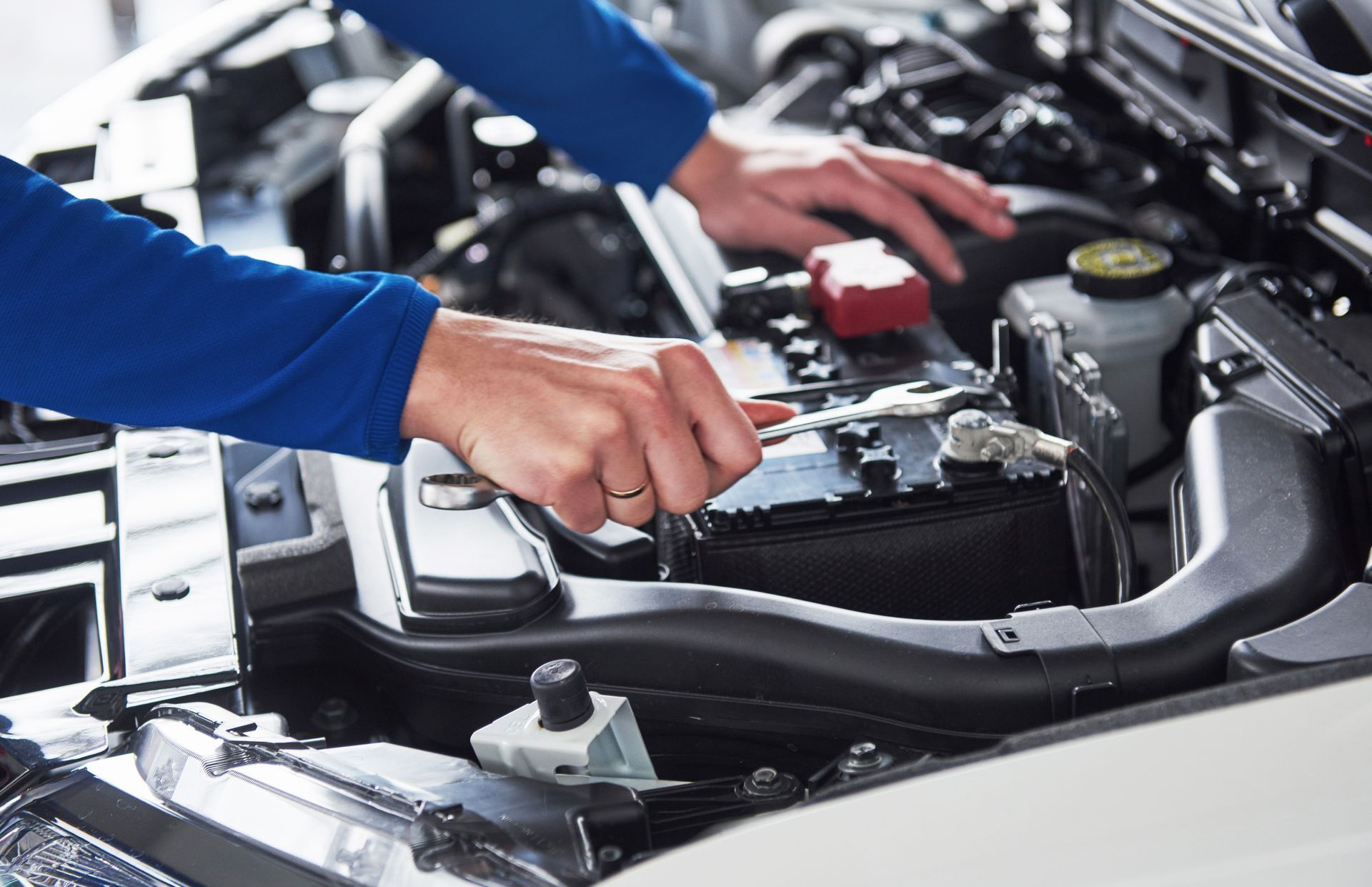
Modern automobiles rely on intricate computer networks, sensors, and electronic actuators to control everything from fuel injection to cabin climate. The storage battery serves as the cornerstone of this electrical matrix, supplying current to the starter motor and stabilizing voltage fluctuations while cruising. Cold winter mornings and blistering summer afternoons accelerate internal chemical breakdown within battery cells, slowly sapping cranking power. Utilizing professional auto repair services allows technicians to test battery conductivity, measure charging voltage, and remove corrosive sulfate crust from terminal posts. Clean electrical connections guarantee instant engine starts regardless of ambient weather conditions.
Beyond the battery, the alternator and starter motor require periodic diagnostic evaluation to prevent sudden electrical stranding. An aging alternator may struggle to generate sufficient electrical current, causing dashboard warning indicators to flicker and slowly draining the battery during transit. Loose serpentine belts can slip across alternator pulleys, generating loud squealing noises and compromising electrical generation altogether. Technicians evaluate charging output, inspect wiring harnesses for fraying, and replace aging serpentine belts before electrical shortages occur. Proactive electrical upkeep ensures digital instrumentation, electronic fuel injectors, advanced safety cameras, and exterior headlights function reliably through night commutes and stormy weather.
Preserving Braking System Integrity
Few vehicle systems impact personal safety and driving reassurance more directly than the foundational stopping mechanisms. Friction pads clamp against spinning metal rotors each time a driver depresses the brake pedal, gradually wearing away friction material through countless stops. Worn brake pads generate high-pitched squeals and grinding vibrations that signal immediate mechanical danger and compromise vehicle control. Selecting trusted auto repair services for regular brake inspections ensures qualified technicians measure pad thickness and inspect rotors for uneven heat scoring. Replacing worn friction pads before metal backplates gouge expensive rotors saves drivers substantial financial resources and preserves immediate stopping capability.
Brake calipers, rubber brake lines, and anti-lock braking sensors also require careful examination during routine preventative maintenance appointments. Brake calipers contain delicate hydraulic pistons that can seize if dirt and road grime penetrate protective rubber boots, causing uneven pad wear and pulling the vehicle sideways during sudden stops. Flexible rubber brake lines can develop internal cracks or external swelling from prolonged exposure to road debris, potentially causing catastrophic hydraulic pressure drops. Certified mechanics verify that hydraulic calipers slide freely and check brake lines for signs of physical degradation. Thorough brake care ensures drivers maintain complete directional stability and immediate stopping power in hazardous driving environments.
Adopting a disciplined schedule for vehicle maintenance transforms automobile ownership from an unpredictable gamble into an exercise in lasting reliability. Proactive vehicle upkeep prevents minor mechanical friction from escalating into catastrophic failures, protects resale value, and ensures every journey remains safe and comfortable. Rather than waiting for flashing warning indicators or distressing roadside breakdowns, forward-thinking vehicle owners prioritize preventative care to keep essential systems operating smoothly. Establishing a relationship with skilled mechanics provides peace of mind and keeps mechanical components operating at factory performance standards. We would love to help you keep your vehicle dependable for every trip ahead, so please reach out to HIS Auto LLC if you are interested in giving your car the care it deserves.